


Why Punctuality Matters for Student Success in School
- Michael Famuyiwa
- Feb 18
- 3 min read

Punctuality is often seen as a simple habit, but its impact on a student’s academic journey is profound. Arriving on time to school and classes sets the tone for learning, builds discipline, and shapes a student’s future success. This post explores why punctuality matters so much for students and how it influences their performance, relationships, and personal growth.
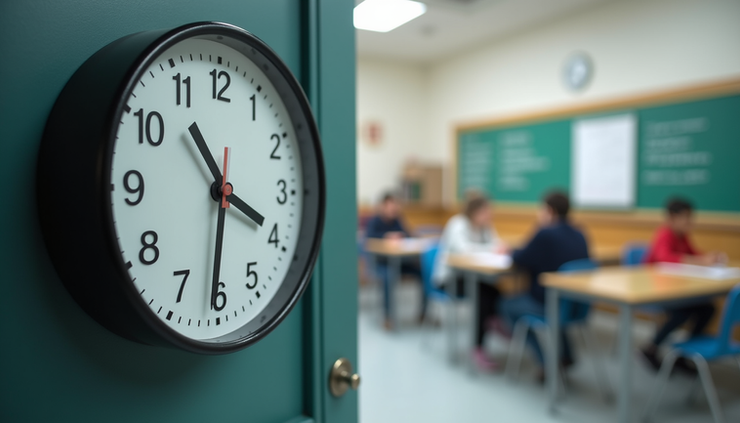
How Punctuality Affects Academic Performance
Students who arrive on time are better prepared to engage with lessons from the start. When a student is late, they miss important instructions, explanations, or announcements that set the foundation for the day’s learning. This gap can cause confusion and make it harder to keep up with the class.
For example, a student who arrives late to a math class might miss the teacher’s explanation of a new concept. Catching up later requires extra effort and can lead to frustration. Over time, repeated lateness can lower grades and reduce confidence.
Being punctual also helps students develop a routine. Consistent attendance at the right time trains the brain to focus and absorb information more effectively. This routine supports better memory retention and academic success.
Building Responsibility and Time Management Skills
Punctuality teaches students responsibility. When students commit to arriving on time, they learn to plan their mornings, manage their time, and prioritize tasks. These skills are essential not only in school but throughout life.
For instance, a student who wakes up early to prepare for school learns to organize their morning efficiently. This habit can extend to managing homework deadlines, extracurricular activities, and eventually workplace responsibilities.
Teachers often notice that punctual students tend to be more organized and reliable. These traits contribute to positive teacher-student relationships and open doors for mentorship and support.
Enhancing Social Relationships and Classroom Environment
Arriving on time also affects social dynamics. Students who are punctual show respect for their peers and teachers. This respect fosters a positive classroom atmosphere where everyone feels valued.
Late arrivals can disrupt lessons and distract classmates. This interruption can cause frustration and reduce overall class productivity. On the other hand, punctual students contribute to smooth transitions between activities and help maintain focus.
Moreover, being on time allows students to participate fully in group work and discussions. These interactions build communication skills and teamwork, which are vital for personal and professional growth.
Reducing Stress and Anxiety
Rushing to school or class often causes stress and anxiety. Students who arrive late may feel embarrassed or worried about missing important information. This stress can affect their ability to concentrate and perform well.
In contrast, punctuality creates a calm start to the day. Students who arrive early or on time have moments to settle in, organize their materials, and mentally prepare for lessons. This preparation reduces anxiety and improves overall well-being.
Preparing for Future Success
Punctuality is a habit that extends beyond school. Employers and higher education institutions value individuals who show up on time. Developing this habit early prepares students for future challenges and opportunities.
For example, a student who consistently arrives on time is more likely to succeed in college or a job where punctuality is expected. This habit signals professionalism, respect, and dedication.
Practical Tips for Students to Improve Punctuality
Improving punctuality requires intentional effort. Here are some practical tips students can use:
Set a consistent bedtime to ensure enough rest for early mornings.
Prepare school materials the night before to avoid last-minute delays.
Use alarms or reminders to wake up and leave on time.
Plan the route to school and allow extra time for unexpected delays.
Avoid distractions like phones or TV before leaving home.
Create a morning routine that includes time for breakfast and getting ready calmly.
By following these steps, students can build punctuality into their daily habits.
The Role of Parents and Schools
Parents and schools play a crucial role in encouraging punctuality. Parents can model punctual behavior and support their children by setting routines and providing transportation if needed.
Schools can reinforce the importance of punctuality through policies, positive reinforcement, and communication. For example, recognizing students who consistently arrive on time can motivate others to follow suit.
Overcoming Common Challenges
Some students face challenges that make punctuality difficult, such as long commutes, family responsibilities, or health issues. Addressing these challenges requires understanding and support.
Schools can offer flexible start times, counseling, or transportation assistance. Parents can help by adjusting schedules or seeking community resources.
Perfectly said sir.